6M - 3YEARSNanny & Me Playpod
Building community and creating a nurturing environment for all kids to explode into learning



OUR GOALSWhat To Expect
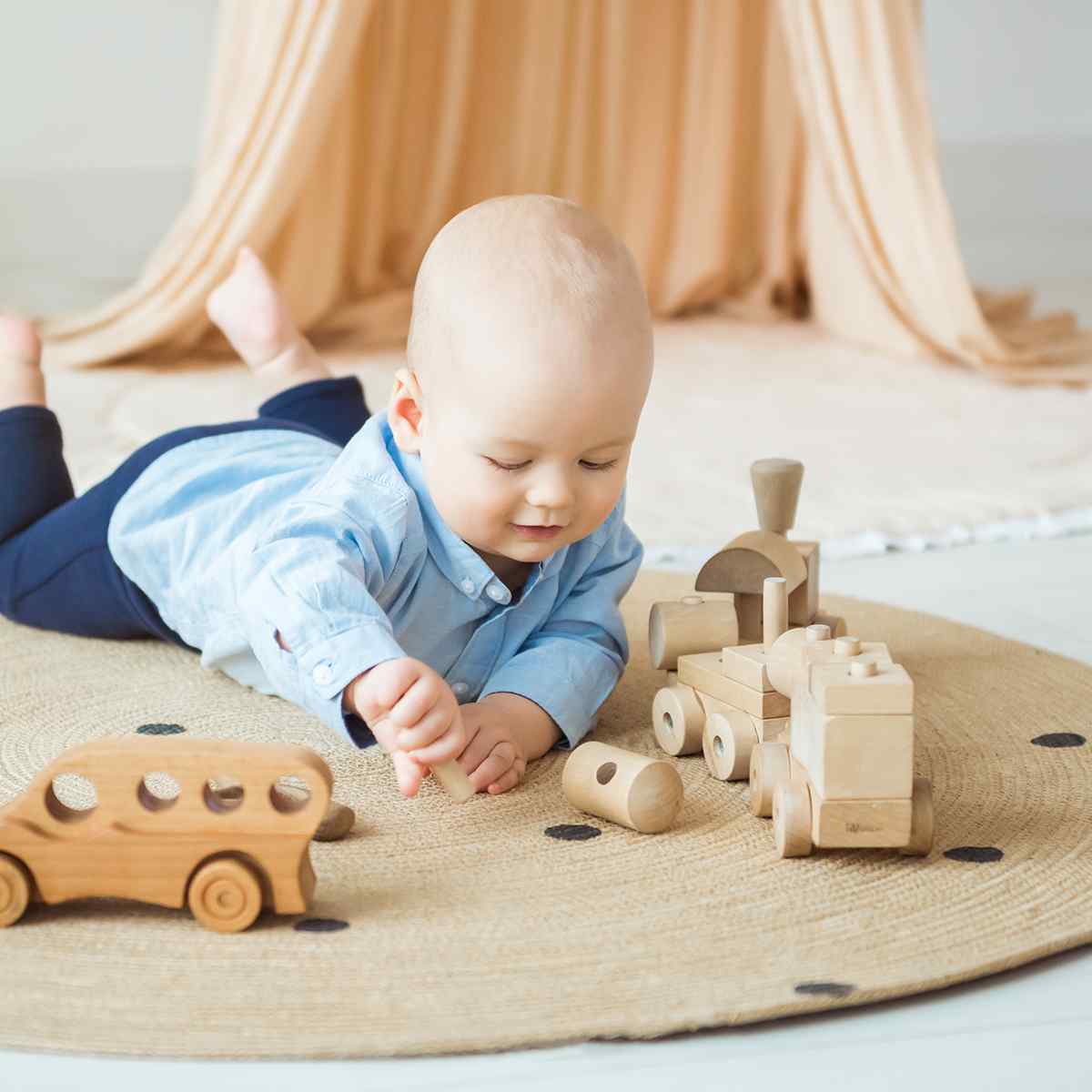
Our environment is designed to foster children’s development through self directed play and hands on exploration. Our physical space brings the outdoors in, using natural material as much as possible for multi sensory learning. Daily activities focus on sensory play, outdoor, art, rhythm & movement, reading
and STEM exploration.
The Montessori Method

Adequate & diverse representation in our stories
As they begin to form an identity of who they are, we are big believers in ensuring all kids have access to content that reflects their reality and helps them feel seen even as we introduce them to stories that open them up to new experiences.

Nurturing Environment
We know children have a natural drive to learn. We encourage children to be curious, explore, experiment, to use their voice and occupy space. With the support of their caregivers and under the guidance of our minders, we aim to nurture unique interests of each child through without the need for separation.
An Unrushed Childhood
We resist comparison and trust in all
children’s incredible capabilities. Here, we choose to honour the growth of each child at whatever stage they are by prioritising meaningful and engaging experiences that equip them with skills, attitudes and dispositions necessary for lifelong learning.

Caregiver support & community
We recognise that responsive relationships with caregivers as one of the most important contributors to the healthy development of children, and so want our caregivers to feel supported and equipped. Caregivers will have priority access to PAA caregiver programmes for both parents and nannies, monthly socials to connect with other parents and experts where applicable.

A Yes! Space
Open space for free flowing, spontaneous play; Open-ended and closed ended learning opportunities, developmentally appropriate materials, playground and invitations to play; Regular cleaning of material, space and use of taste safe material for babies likely to explore by
mouthing

A Focus on the foundation
Guides will observe and encourage opportunities to practice vital skills that support:
– Socio emotional development
– Cognitive development
– Physical development
– Language development
– Creative development
Our Fees
- Full month unlimited access pass
- Priority booking for all Play Academy Children & Caregiver initiatives
- Free library services - 1 book per week
- Monthly parent social morning
- Free Sensory Play At Home guide on sign up
- 3 Sessions / Week / Month
- 12 days (4 week access pass)
- Priority booking for all Play Academy Children & Caregiver initiatives
- Monthly parent social morning
- 2 Sessions / Week / Month
- 8 days (4 week access pass)
- Priority booking for all Play Academy Caregiver initiatives
- Monthly parent social morning
- Session attendance for one day
Enroll in a Playpod


Curiosity is at the heart of our approach
We exist to guide, empower and nurture independence in children from early childhood, early brain development ensures that your daughter can hit the ground running on her own journey of independence. Capitalize on low hanging fruit to identify a ballpark value added activity to beta test. Override the digital divide with additional clickthroughs from DevOps. Nanotechnology immersion along the information highway will close the loop on focusing solely on the bottom line. Collaboratively administrate empowered markets via plug-and-play networks.
Yes. We encourage families to meet with a member of the School leadership team and take a school tour to get comfortable with the program and school of their choice.
Start by talking to them about the things they do and don’t enjoy, why that is, and what they see as their strengths and weaknesses. Then, pick two or three goals to focus on, helping your child set a timeline and break their goals down into smaller, manageable tasks.
Encourage family involvement in the classroom. Make families important in your class – show them you value their time by explaining the best way they can help as a classroom volunteer. Invite parents to share their expertise, skills and experience with the class.
It is what makes it possible to concentrate on an activity for as long as it takes to finish, even if there are other distracting stimuli present.
The kindergarten is in the system of city subsidies and the enrollment of children is done all year round.
Responsibility, independence and self-confidence are what is achieved by using Montessori pedagogy.
PLAYPOD GALLERYTake a Closer Look